







Backstory
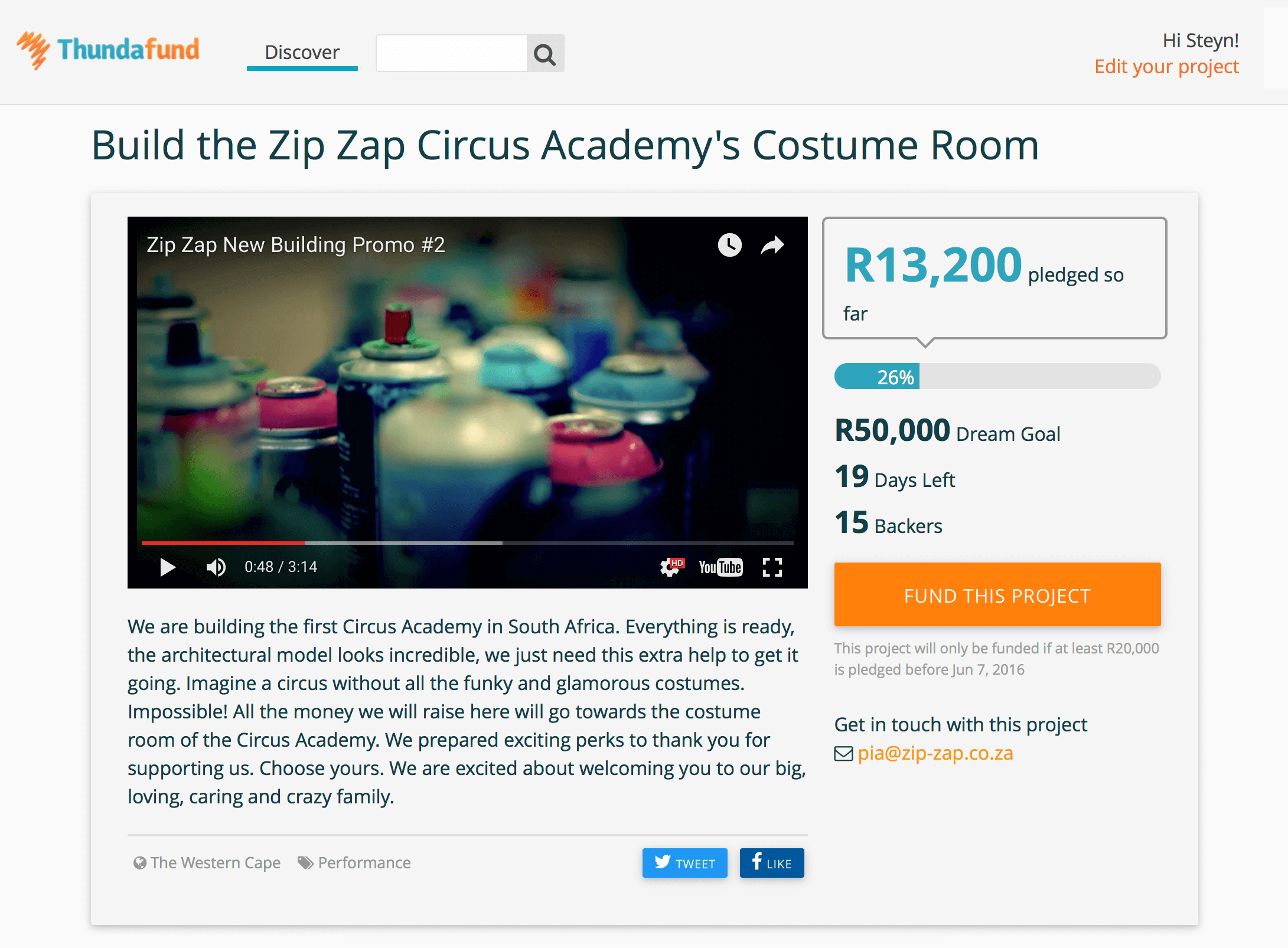
A year ago, we met Leonie. She was one of 140 entrepreneurs who had successfully raised funds for her idea on Thundafund. Unlike we may imagine, she didn’t have the luxury of filling out and submitting an online form to ask for crowdfunding.
To get her project live on Thundafund, she completed and emailed a 22 page Word document to Subhas, Thundafund’s project co-ordinator. After collaborating very closely with him via email to iterate on the idea, the document was then manually captured into the backend and then after a final approval, it went live on Thundafund’s website.
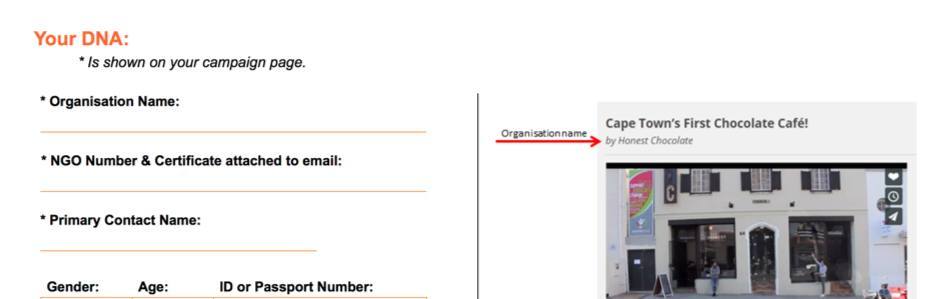
A 22 page Word document might not be the most elegant solution but it didn’t stop Leonie - or any of the other 139 entrepreneurs - from getting their ideas on Thundafund.
The problem however was that a project creator could only see what their projects would look like after it was captured by the TF team, and the whole process took a lot of time. This became a major bottleneck for the whole journey.
So what did we do?
Understanding the problem
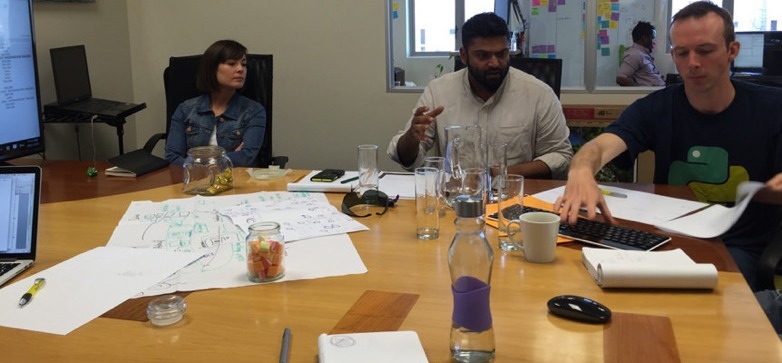
We started out by having 2 workshops with the TF team to better understand an entrepreneur’s journey to get funding. This lead to a series of 5 interviews with some of the entrepreneurs who had already successfully raised money for their ideas on Thundafund.
It gave us a very good understanding of the problem and became the basis from which we iterated towards a better solution.
Iterating towards a better solution
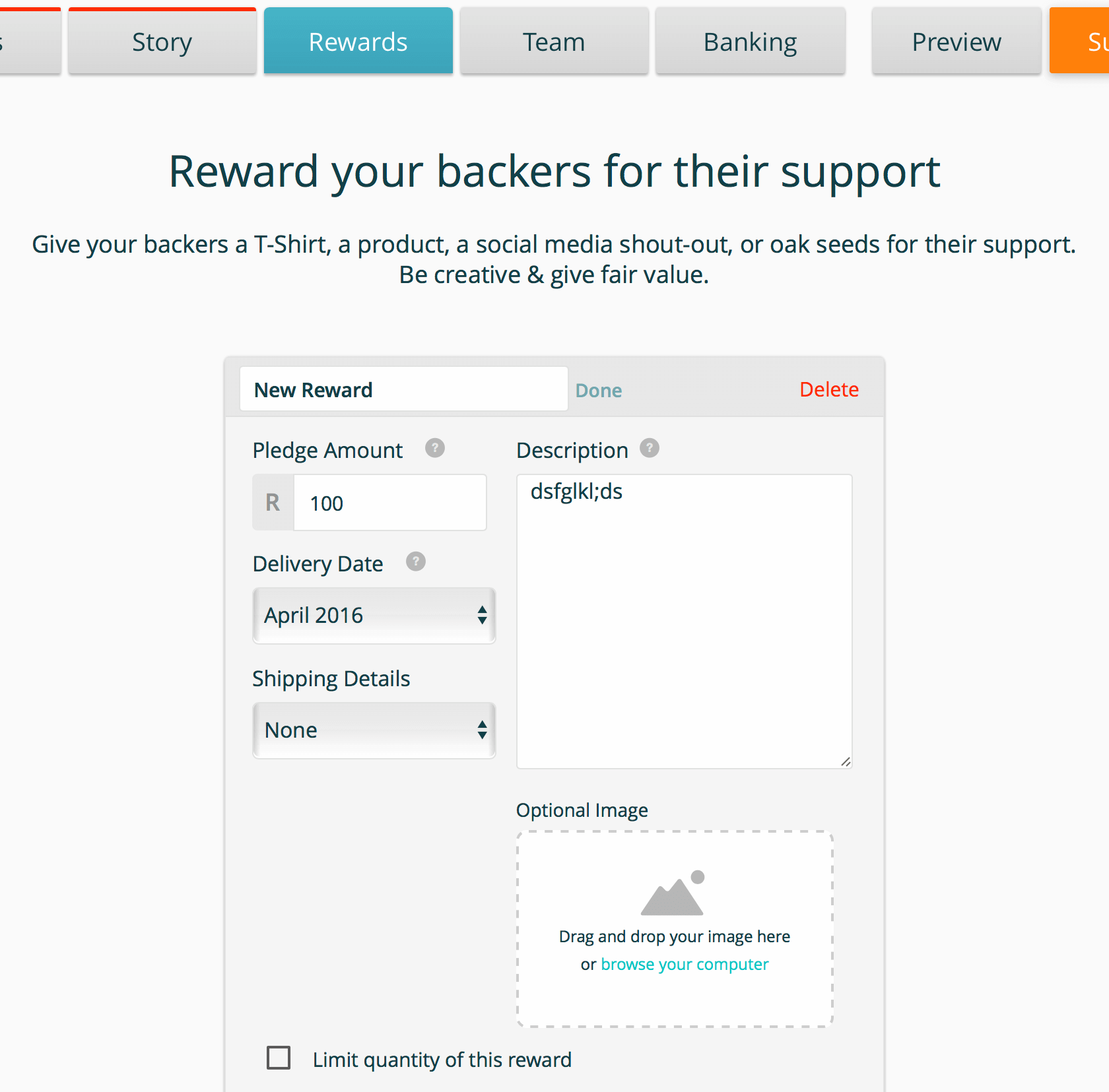
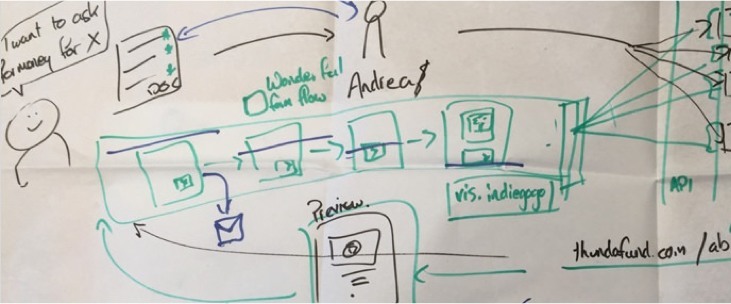
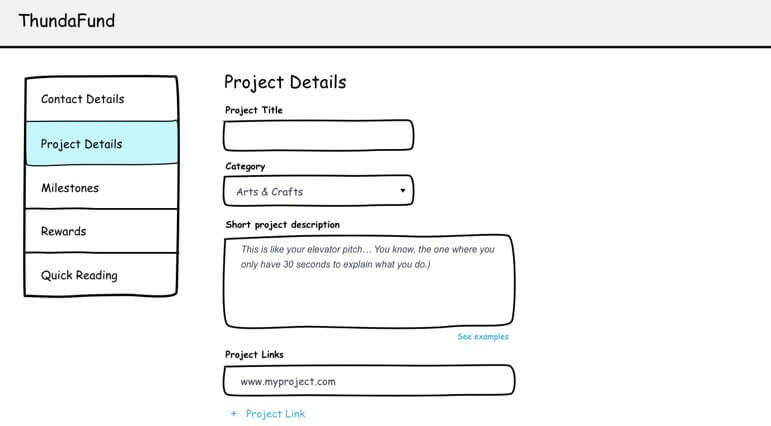
With the research as a foundation, we started to sketch, wireframe and prototype together different form layouts to iterate towards something that was unique and tailored for Thundafund.
While InVision worked well to stitch together the different journeys, it was a bare bones HTML prototype, tested with beginner crowdfunders, that really allowed us to iterate rapidly towards a better solution.
Together with the TF team, we conducted a round of structured usability tests as well as more informal workshops in Cape Town, Johannesburg and Durban.
Building a seamless experience
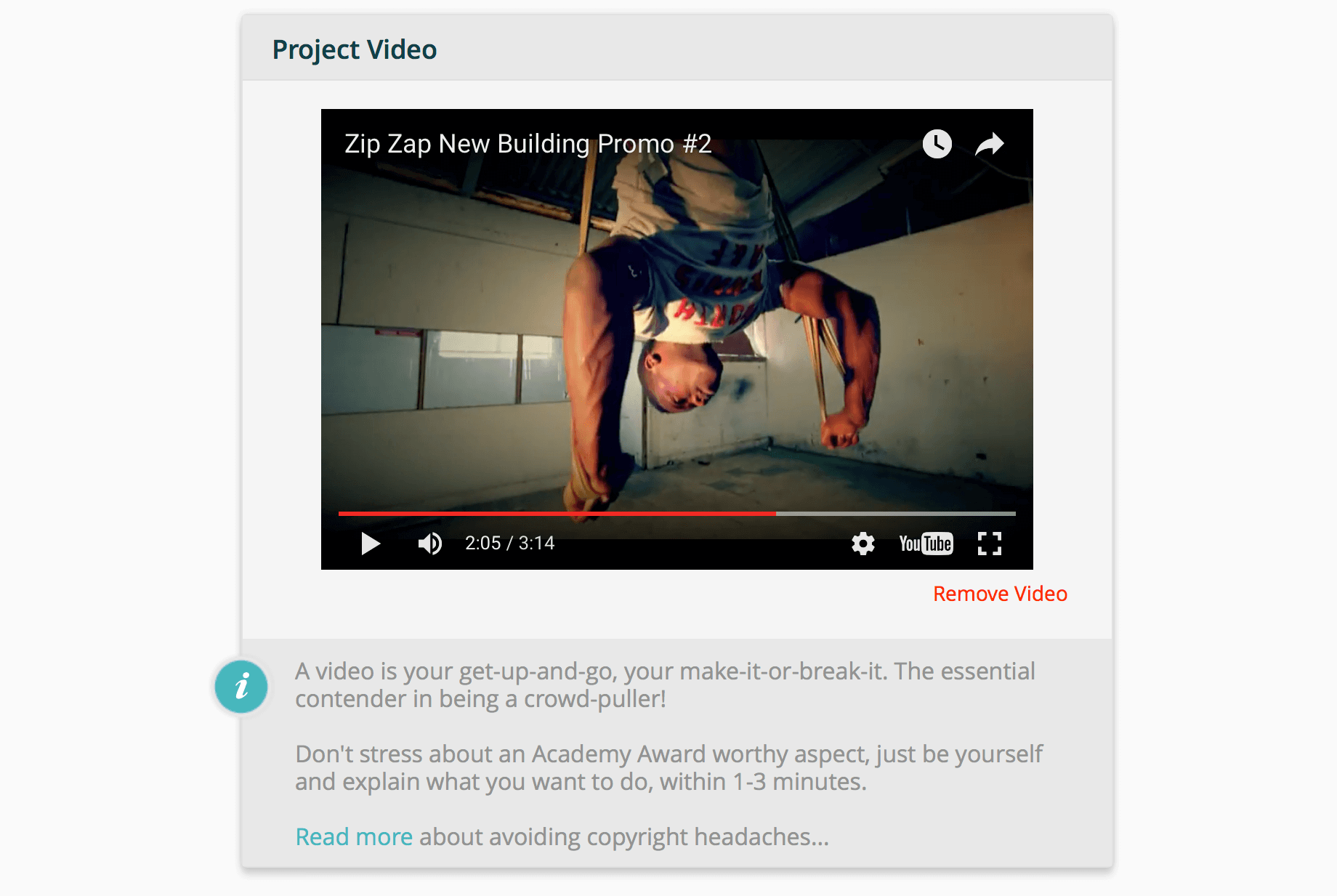
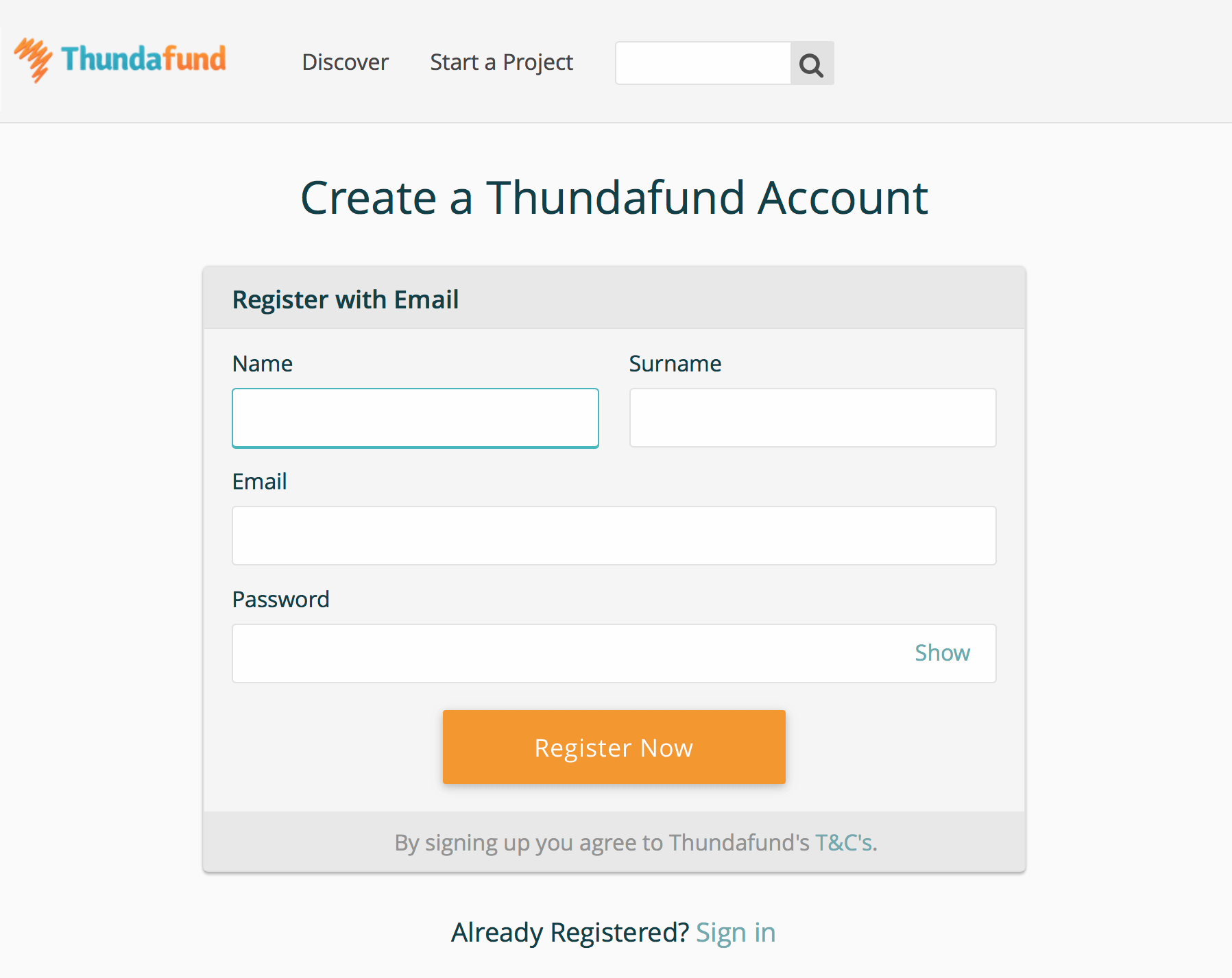
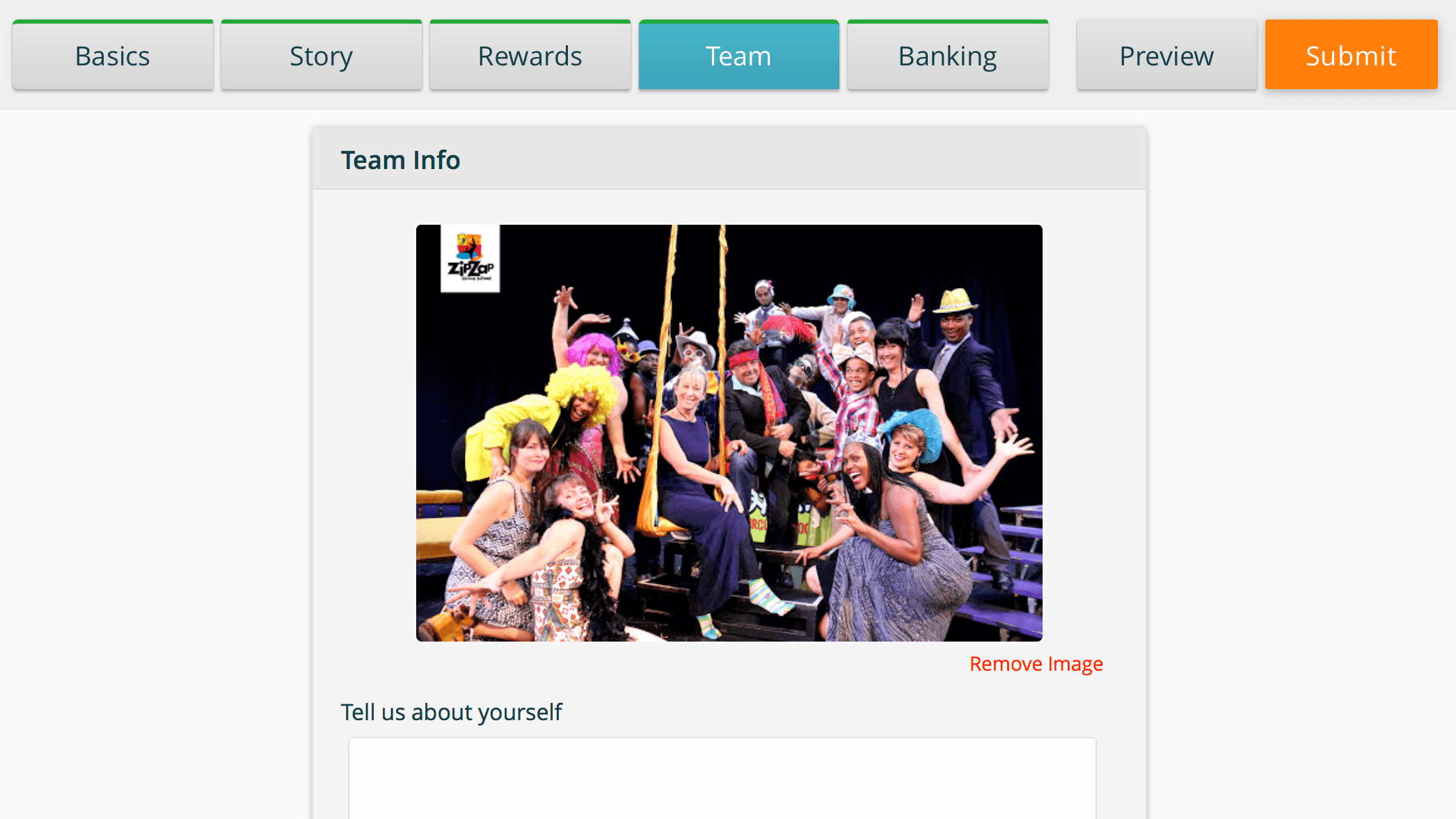
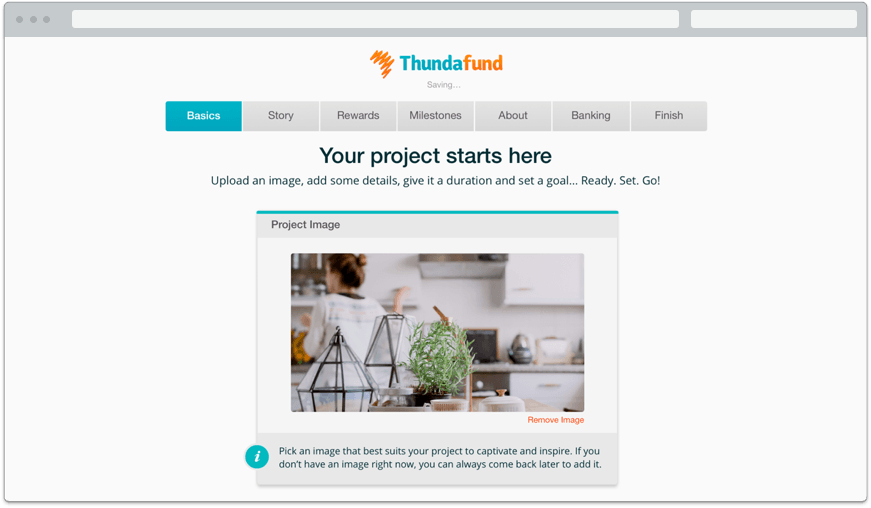
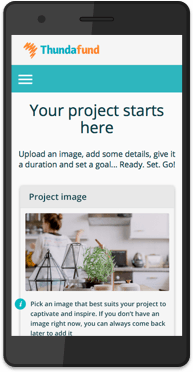
To solve the bottleneck problem, we built a responsive web app in Google App Engine to capture and connect all the data with the backend.
The online application process drastically reduced the amount of time it took to get a project on Thundafund.
It not only eliminated Thundafund’s tedious task of manually capturing all the information into their backend, but also enabled entrepreneurs to easily edit and iterate on their projects wherever they were - creating a seamless experience between Thundafund and the entrepreneur.